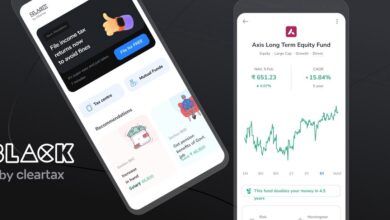
Building Smarter Android Applications with Real-Time Financial Data

Mobile applications today are expected to provide users with up-to-date information and dynamic functionality. Whether an app focuses on personal finance, investment tracking, economic news, or educational tools, the ability to integrate real-time data has become an important feature. For Android developers, financial market APIs offer a powerful way to enrich mobile applications with live insights and continuously updated datasets.
Modern users increasingly rely on smartphones to monitor financial trends, check market movements, and stay informed about economic changes. This demand has created opportunities for developers to build innovative Android apps that visualize market data, track asset performance, and deliver personalized alerts. Access to structured financial datasets makes these features possible without requiring developers to maintain complex data infrastructure themselves.
One example of a platform providing structured financial data is https://finage.co.uk/product/crypto, which offers programmatic access to cryptocurrency market information. APIs like this allow developers to retrieve price updates, market metrics, and other financial indicators that can be integrated into Android apps in real time.
Why Financial APIs Matter for Mobile Development
Developing a mobile application that interacts with live financial data can open up many possibilities. Instead of static content, applications become dynamic tools capable of responding to market movements as they occur.


For example, an Android application might include:
- Real-time price tracking for cryptocurrencies or stocks
- Portfolio monitoring dashboards that display asset performance
- Market alerts and notifications when certain thresholds are reached
- Educational tools that visualize financial trends and teach economic concepts
These features help create applications that feel relevant and responsive, increasing user engagement and long-term retention.
Integrating Financial APIs into Android Apps
From a technical perspective, integrating a financial data API into an Android application typically involves making HTTP requests to retrieve structured data. Developers often use networking libraries such as Retrofit or OkHttp to communicate with external APIs.
The basic workflow looks like this:
- Send a request to the API endpoint from the Android app.
- Receive a structured response, usually in JSON format.
- Parse the data using libraries like Gson or Moshi.
- Display the information through UI components such as charts, lists, or widgets.
This process allows developers to quickly build applications that display complex information without having to maintain their own market data feeds.

Opportunities for Innovation
Mobile developers continue to explore new ways to integrate financial data into Android ecosystems. Examples include:
- Personal finance assistants that combine market data with budgeting tools.
- AI-driven market analysis apps that interpret trends and generate insights.
- Interactive financial learning platforms designed for students and beginners.
- Real-time economic dashboards that aggregate multiple data sources.
Because Android supports a wide range of devices and user segments, applications that leverage financial APIs can reach audiences worldwide.
Leer también: Trucos para personalizar notificaciones en Android 2025
Data Security and Reliability
When working with financial data, developers should also consider security and reliability. API requests should be handled securely, sensitive information should be protected, and caching strategies should be implemented to maintain performance during high usage periods.
Well-structured APIs simplify these concerns by providing standardized responses and consistent documentation, allowing developers to focus on building useful features rather than managing raw data pipelines.
Conclusion
As mobile technology evolves, Android applications are becoming powerful tools for accessing and interpreting financial information. By integrating reliable market data through APIs, developers can create applications that provide real-time insights, educational value, and practical functionality for users interested in finance and digital markets.
Resources like https://finage.co.uk/product/crypto demonstrate how accessible financial datasets have become, enabling developers to build smarter Android applications that transform raw data into meaningful user experiences.